Choosing between vinyl and hardwood flooring ranks among the biggest decisions homeowners face during renovations or new construction.
Vinyl and hardwood floors each offer distinct advantages, but the right choice depends on your specific needs, budget, and lifestyle. Waterproof vinyl flooring excels in moisture-prone areas, while solid hardwood flooring benefits include timeless beauty and long-term value that appeals to many buyers.
We’ll break down the key differences between vinyl and hardwood floors by examining their unique characteristics and performance features. You’ll also discover how installation costs and processes differ, plus get practical advice on matching the best flooring for kitchen spaces, bathrooms, and living areas to your home’s specific requirements.
Understanding Vinyl Flooring Benefits and Features
Cost-effective installation and material expenses
Waterproof vinyl flooring stands out as one of the most budget-friendly flooring options available today. When comparing vinyl vs hardwood flooring, the cost difference becomes immediately apparent. This significant price gap makes vinyl an attractive choice for homeowners working with tighter budgets or those covering large areas.
The installation process also contributes to vinyl’s cost-effectiveness. Many vinyl products feature click-lock systems that allow for floating installation, eliminating the need for adhesives or nails. This streamlined approach reduces labor costs and installation time, making vinyl flooring installation projects in Toronto more affordable than traditional hardwood flooring service installations.
Waterproof protection for high-moisture areas
Vinyl flooring excels in moisture-prone environments where traditional hardwood would struggle or fail. Unlike solid wood that can warp, buckle, or develop mold when exposed to water, vinyl maintains its structural integrity even in consistently humid conditions.
The waterproof barrier extends beyond surface protection. Quality vinyl planks feature sealed edges and waterproof cores that prevent moisture penetration from spills, humidity, or minor flooding events. This characteristic eliminates the anxiety many homeowners feel about water damage, making vinyl a practical choice for busy families or homes with pets.
Easy maintenance and cleaning requirements
Daily maintenance of vinyl flooring requires minimal effort compared to hardwood alternatives. Regular sweeping or vacuuming removes surface debris, while damp mopping with standard floor cleaners handles deeper cleaning needs. The non-porous surface resists staining and doesn’t require special treatments, waxing, or refinishing procedures.
Vinyl’s durability against scratches and dents reduces long-term maintenance concerns. While hardwood may show wear patterns from furniture legs or pet claws, vinyl’s resilient surface maintains its appearance with basic care. This low-maintenance characteristic appeals to busy households seeking attractive flooring without extensive upkeep requirements.
Wide variety of design options and styles
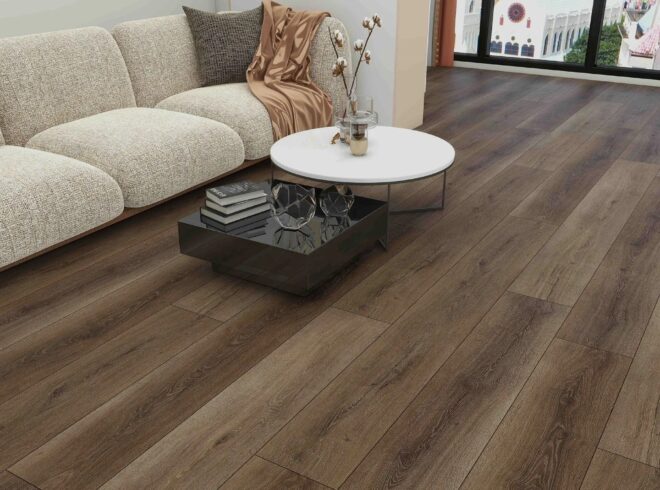
Modern vinyl technology has revolutionized design possibilities, offering realistic wood, stone, and tile appearances that closely mimic natural materials. Engineered hardwood and vinyl comparisons often reveal surprising similarities in visual appeal, with vinyl sometimes providing more consistent grain patterns and color matching across installations.
Manufacturers now produce vinyl in hundreds of styles, from rustic barn wood aesthetics to contemporary concrete looks. Plank sizes vary from narrow strips to wide boards, accommodating different design preferences. This extensive selection allows homeowners to achieve specific aesthetic goals while maintaining vinyl’s practical benefits, making it easier to answer “which flooring is right for me” based on both style preferences and functional needs.
Exploring Hardwood Flooring Advantages and Characteristics
Long-term durability and lifespan value
Solid hardwood flooring benefits shine when you consider longevity. Quality hardwood floors can last 50 to 100 years with proper care, making them one of the most durable flooring options available. The thick surface layer of solid wood can be sanded and refinished multiple times throughout its lifetime, effectively erasing decades of wear, scratches, and scuffs.
Natural beauty and timeless aesthetic appeal
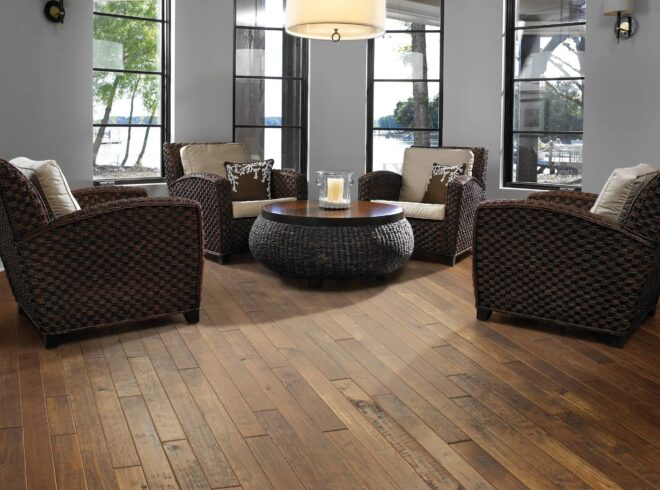
Nothing matches the authentic warmth and character of real wood. Each hardwood plank tells its own story through unique grain patterns, natural color variations, and the subtle imperfections that give wood its distinctive personality. Oak, maple, cherry, and walnut each bring different visual qualities that complement various design styles from rustic farmhouse to modern minimalist.
The natural aging process adds to hardwood’s appeal. Over time, exposure to light creates a beautiful patina that enhances the wood’s character rather than detracting from it. This living quality means your floors become more beautiful with age, developing rich tones and depth that synthetic materials simply cannot replicate.
Popular Hardwood Species Characteristics:
- Oak: Prominent grain patterns, excellent durability, accepts stains well
- Maple: Light color, fine grain, extremely hard surface
- Cherry: Rich reddish tones, smooth grain, darkens beautifully over time
- Walnut: Chocolate brown colors, striking grain contrast, premium appearance
Increased home resale value and market appeal
Real estate professionals consistently rank hardwood floors among the top features that boost home value. Studies show homes with hardwood flooring sell faster and command higher prices than comparable properties with other flooring types. The difference between vinyl and hardwood floors becomes most apparent during home sales, where hardwood’s perceived value significantly outweighs vinyl options.
Homebuyers actively seek properties with existing hardwood floors, viewing them as premium features that eliminate the need for future flooring upgrades. This demand translates into measurable returns on investment, with hardwood installation often recouping 70-80% of its cost at resale.
The timeless appeal ensures your investment won’t become outdated. While flooring trends come and go, hardwood remains consistently desirable across all market segments and price ranges. This stability makes hardwood flooring a smart long-term investment that continues paying dividends throughout your homeownership journey.
Comparing Installation Processes and Requirements
Professional hardwood installation considerations
Hardwood flooring installation requires specialized skills, tools, and experience that most homeowners don’t possess. Professional installation ensures proper acclimation of the wood to your home’s humidity levels, which prevents future warping, cupping, or gapping issues that can cost thousands to repair.
Hardwood flooring installation cost varies significantly based on the type of wood and installation method chosen. Solid hardwood typically requires nail-down installation using pneumatic nailers, while engineered hardwood offers more flexibility with glue-down, nail-down, or floating installation options. Each method demands specific expertise and equipment that professionals bring to the project.
Professional installers understand wood grain patterns, proper spacing requirements, and how to handle irregular room layouts that would challenge DIY attempts. They also carry insurance and warranties that protect your investment, something particularly important given the high material costs associated with quality hardwood flooring.
The expertise extends beyond just laying boards – professionals know how to properly transition between different flooring types, install baseboards and quarter rounds, and handle complex cuts around stairs or built-in features.
Subfloor preparation differences
Subfloor requirements create one of the biggest distinctions between these flooring options. Vinyl flooring installation demands a smooth, clean surface but tolerates minor imperfections that would be problematic for hardwood. Small bumps or shallow depressions in the subfloor won’t typically affect vinyl performance, though severe unevenness should still be addressed.
Hardwood installation requires meticulous subfloor preparation. Every nail pop, creak, or uneven spot must be fixed before installation begins. The subfloor needs to be perfectly level within 1/4 inch over 10 feet, completely dry (moisture content below 12%), and structurally sound enough to support the weight and nail penetration of solid hardwood.
Concrete subfloors present different challenges for each material. Vinyl can often go directly over concrete with appropriate underlayment, while hardwood over concrete typically requires engineered products with specific moisture barriers and installation methods.
Matching Flooring Types to Room Functions
Best Vinyl Applications for Kitchens and Bathrooms
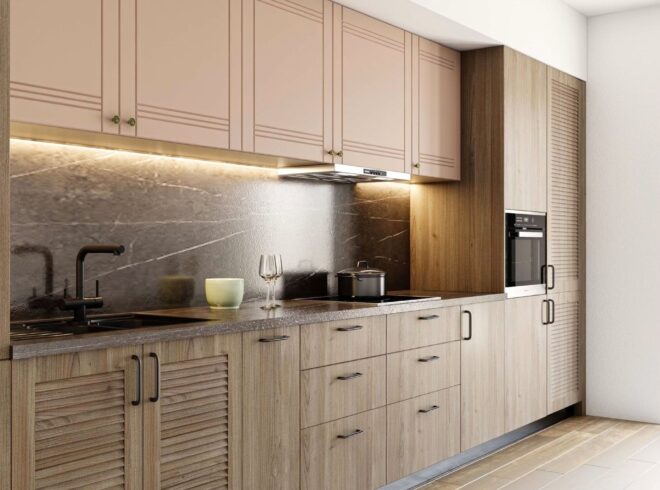
Waterproof vinyl flooring shines in moisture-prone areas where traditional materials struggle. Kitchens see constant spills, splashes, and foot traffic, making vinyl’s water-resistant properties invaluable. Modern luxury vinyl planks and tiles handle everything from cooking oil spills to dishwasher leaks without warping or staining.
Bathrooms present similar challenges with high humidity and direct water exposure. Best flooring for kitchen applications often includes vinyl because it maintains its appearance despite steam, soap residue, and frequent cleaning with harsh chemicals. The non-porous surface prevents bacteria and mold growth, crucial for maintaining healthy indoor environments.
Installation becomes straightforward in these spaces since vinyl doesn’t require special moisture barriers or extensive subfloor preparation. Many homeowners appreciate how quickly rooms return to normal use compared to other flooring options.
Ideal Hardwood Placement in Living Areas
Living rooms, bedrooms, and dining areas showcase hardwood’s natural beauty and warmth. These spaces benefit from solid hardwood flooring benefits like improved air quality, timeless aesthetics, and increased home value. The natural insulation properties of wood create comfortable environments for relaxation and entertainment.
Bedrooms particularly benefit from hardwood’s hypoallergenic qualities and ease of cleaning. Unlike carpets that trap allergens, hardwood surfaces support better indoor air quality for better sleep and health.
Engineered hardwood and vinyl comparisons often favor hardwood in formal living spaces where appearance and prestige matter most. The authentic wood grain and texture create sophisticated atmospheres that vinyl struggles to replicate convincingly.
High-Traffic Zone Performance Comparison
Commercial-grade vinyl excels in entryways, hallways, and stairs where durability trumps aesthetics. These zones demand flooring that withstands constant wear without showing scratches or dents. The difference between vinyl and hardwood floors becomes apparent in high-traffic areas. Vinyl maintains its appearance longer, while hardwood shows wear patterns that require refinishing or replacement sooner.
Pet and Family-Friendly Considerations
Families with pets and young children face unique flooring challenges. Vinyl handles pet accidents, muddy paws, and toy impacts without permanent damage. The scratch-resistant surface withstands claws better than traditional hardwood.
Hardwood offers natural antimicrobial properties but requires immediate cleanup of pet accidents to prevent staining and odors. Families choosing hardwood should consider harder wood species like oak or maple for better durability.
Safety becomes paramount with active households. Both materials offer slip-resistant options, but vinyl provides more cushioning for falls and reduces noise transmission between floors.
Making Your Final Flooring Decision
Lifestyle Factor Assessment Guidelines
Your daily routine and family dynamics play a huge role in determining which flooring is right for me. If you have young kids who love to spill juice or pets that track in mud, waterproof vinyl flooring might be your best friend. These floors can handle accidents without permanent damage and clean up with just a mop.
Consider your household’s activity level. Busy families who host frequent gatherings will appreciate vinyl’s durability and easy maintenance. However, if you prefer entertaining in more formal settings and value the prestige of natural materials, solid hardwood flooring benefits include that timeless elegance that never goes out of style.
Think about your long-term plans too. Are you planning to sell your home in the next few years? Hardwood typically adds more resale value. Planning to stay put for decades? Either option can work, but your maintenance preferences matter. Hardwood needs refinishing every 7-10 years, while quality vinyl can look great for 15-20 years with minimal upkeep.
Your comfort preferences also count. Hardwood feels cool underfoot, which some love in summer but others find chilly in winter. Vinyl offers more temperature consistency and can be installed over radiant heating systems without issues.
Professional Consultation Recommendations
Getting expert advice can save thousands in mistakes and regrets. Schedule consultations with at least three contractors to compare approaches and pricing. Quality professionals will assess your subfloor condition, discuss moisture concerns, and explain installation methods. They’ll also help you understand the difference between vinyl and hardwood floors in your specific situation.
Ask potential contractors these key questions:
- How many similar projects have you completed?
- What warranties do you offer on materials and labor?
- How do you handle subfloor prep and moisture issues?
- Can you provide recent customer references?
- What’s included in your installation quote?
A good contractor will walk you through samples in your actual lighting conditions. They’ll explain why certain products work better for your specific rooms and lifestyle. Many offer free estimates, but be wary of significantly low bids that might indicate corner-cutting.
Professional installation often comes with warranties that DIY projects lack. This protection proves especially valuable for hardwood, where improper installation can cause costly problems like cupping, gaps, or premature wear.
Consider scheduling consultations during different times of day to see how various samples look in changing light conditions. This simple step can prevent choosing a floor color you’ll regret later.
Conclusion
Both vinyl and hardwood flooring offer unique benefits that can transform your home’s look and feel. Vinyl stands out for its water resistance, easy maintenance, and budget-friendly price point, making it perfect for busy families and high-moisture areas like kitchens and bathrooms. Hardwood brings timeless beauty, long-term value, and the ability to refinish over decades, though it requires more care and comes with a higher upfront investment.
The right choice depends on your lifestyle, budget, and room needs. Consider vinyl if you want low-maintenance flooring that handles spills and heavy foot traffic without breaking the bank. Choose hardwood if you’re looking for a long-term investment that adds significant value to your home and creates that classic, elegant atmosphere. Take time to walk through showrooms, feel the materials, and imagine how each option fits your daily life, your floors should work for you, not against you.
Latest Posts
The Benefits of Choosing Vinyl Flooring for Your Home
September 17, 2026
Signs Your Hardwood Floors Need Professional Refinishing in Mississauga
September 10, 2026