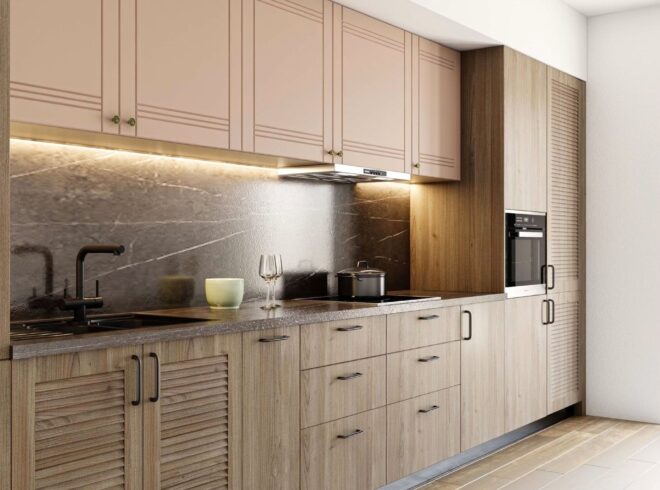
Renovating a condo in Toronto is a smart way to upgrade your lifestyle, increase property value, and personalize your space, especially in a city where square footage is at a premium. But unlike a freehold home, condo renovations come with a unique set of rules, limitations, and approval processes. Before tearing down walls or installing new flooring, it is essential to understand what you can and can’t do to avoid costly mistakes, delays, or violations with your condo board.
If you are planning to invest your money into a condo renovation Toronto project, here’s a comprehensive guide to help you get started on the right foot.
What You Can Do and Can’t Do in a Toronto Condo Renovation
-
Cosmetic Upgrades (Usually Allowed)
Cosmetic upgrades are typically the easiest and most flexible changes you can make in a Toronto condo renovation. These updates focus on the interior appearance of your unit and don’t interfere with the building’s structure or shared systems.
Painting, updating light fixtures, installing new cabinets, replacing countertops, or refreshing bathroom vanities are almost always permitted without formal board approval.
While most cosmetic projects don’t require authorization, it’s still a good idea to inform your property manager, especially if contractors will be entering the building or if materials need to be delivered. Many condos also have rules about when work can be done, so early communication can help avoid delays.
-
Flooring Upgrades (With Restrictions)
Flooring upgrades are common in condo renovation Toronto projects, but they can be more regulated due to noise concerns. Most buildings allow owners to replace flooring materials, such as swapping carpet for hardwood, laminate, vinyl, or new tile, yet they require specific soundproofing standards to be met.
Before installation, you may need to provide details about underlayment materials and demonstrate that they meet the condo’s minimum IIC (Impact Insulation Class) rating.
Boards often require written approval before flooring work begins, and failing to follow these rules can result in complaints from neighbours or even demands to redo the project at your own cost. If you need help with floor renovations, RenoGiant Home Renovation can be a perfect match.
-
Kitchen & Bathroom Renovations (Within Limits)
Kitchens and bathrooms can be updated extensively as long as the renovations don’t affect shared building systems. Condo owners can modernize these spaces with new cabinetry, countertops, appliances, tiles, and fixtures. However, major changes that involve relocating plumbing lines, adding drains, or moving sinks and appliances often require board review and approval. Because these systems connect to the building’s main plumbing stack, any modifications that risk leaks or pressure issues are heavily regulated. Staying within the original layout usually ensures a smoother renovation and faster approval.
Read More: Top 5 Kitchen Cabinet Trends for 2025
-
Installing Built-Ins and Storage Solutions
Built-ins and custom storage improvements are usually permitted and can significantly enhance functionality in compact condo spaces.
Owners can install shelving, wall-mounted cabinets, or closet organizers as long as these additions don’t compromise structural walls or exceed weight limits. These types of upgrades are generally straightforward, but it’s still important to ensure that attachments are safe and compliant with building guidelines.
Built-ins are an excellent way to add value and organization without requiring extensive approvals or major construction.
Final Tips for a Smooth Condo Renovation in Toronto
- Review the building’s renovation bylaws before planning anything.
- Submit all required drawings and material samples to the condo board.
- Hire licensed home renovation contractors experienced with condo renovation Toronto projects, they’ll know what’s permitted.
- Plan for noise restrictions, elevator bookings, and work-hour limitations.
- Keep communication open with the property manager for smoother coordination.
Conclusion
A successful condo renovation Toronto project starts with understanding what your condo board allows and knowing where the limits are. With the right planning, approvals, and professional support, you can transform your space beautifully while staying fully compliant with building rules.
Latest Posts


The Benefits of Choosing Vinyl Flooring for Your Home
September 17, 2026
Signs Your Hardwood Floors Need Professional Refinishing in Mississauga
September 10, 2026